
 By
By 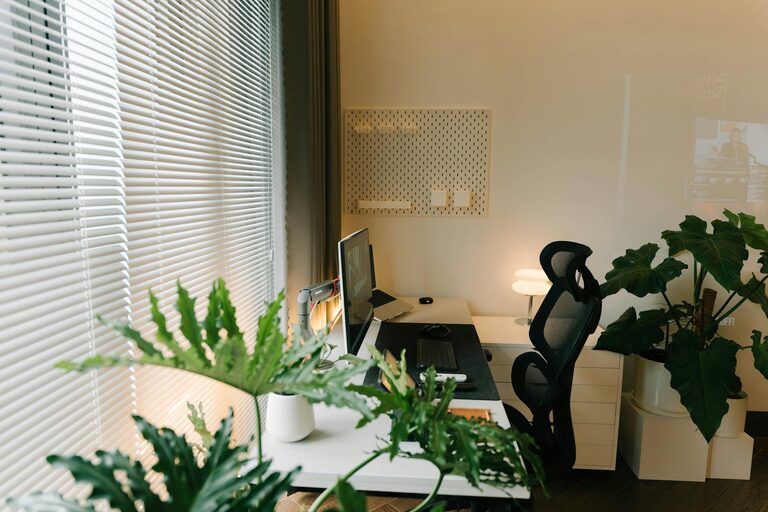
Creating a cozy and functional home office space is essential for anyone looking to balance comfort with productivity. Whether you work full-time from home or just need a dedicated spot to manage personal tasks, setting up an inviting and efficient workspace can greatly improve your focus and mood. In this post, we’ll share practical tips to help you design a home office that feels great and works well.
Find the Right Location
Choosing the best spot for your home office is the first step. It should be a quiet area with minimal distractions. Ideally, pick a space with natural light, such as near a window, as sunlight can boost your energy and concentration. If natural light isn’t an option, make sure to invest in good quality lighting. Avoid areas with heavy foot traffic or noise to maintain focus.
Choose a Comfortable Desk and Chair
Your desk and chair are the foundation of a functional workspace. Look for a desk that fits your room and offers enough surface area for your computer, documents, and any other essentials. Adjustable desks can be a great investment to switch between sitting and standing.
When it comes to seating, comfort is key. Opt for an ergonomic chair that supports your posture and reduces strain during long hours of work. Features like adjustable height, lumbar support, and cushioned seats can make a big difference.
Organize for Efficiency
An organized desk helps to keep your mind clear. Use organizers, trays, or drawer dividers to keep stationery, cables, and supplies neatly arranged. Consider vertical storage options like shelves or wall-mounted organizers to free up desk space.
Cable management is often overlooked but important. Use clips, ties, or sleeves to keep cords tidy and out of sight. This reduces clutter and minimizes distractions.
Personalize Your Space
Adding personal touches makes your office feel welcoming and uniquely yours. Incorporate items that inspire you, such as artwork, photos, or plants. Greenery not only brightens your space but may also improve air quality and reduce stress.
Choose a color scheme that soothes you; soft blues and greens are popular for creating a calm environment, but don’t hesitate to pick colors that fit your personality and motivation levels.
Optimize Lighting
Good lighting is crucial to reduce eye strain and maintain productivity. In addition to natural light, use a combination of ambient and task lighting. A desk lamp with adjustable brightness and position helps focus light exactly where you need it.
Avoid harsh overhead fluorescent lighting if possible; warm LED bulbs mimic natural light and create a more comfortable atmosphere.
Incorporate Technology Thoughtfully
Keep your technology setup streamlined for maximum efficiency. Invest in a reliable computer or laptop, and consider accessories that improve usability, like a wireless keyboard, mouse, or headphones for concentration.
Ensure your internet connection is strong and stable. If possible, use Ethernet over Wi-Fi for faster speeds, especially if your work involves video calls or large file uploads.
Create Zones for Different Tasks
If space allows, separate your office into zones for specific activities. For example, have a dedicated area for computer work and another for reading or brainstorming. This helps your brain associate each zone with a different task, improving focus.
A small bulletin board or whiteboard can be helpful for tracking tasks, jotting ideas, or displaying inspirational quotes.
Manage Noise and Distractions
Consider ways to reduce background noise if your home isn’t naturally quiet. Noise-canceling headphones can be a great investment. Alternatively, play gentle background music or nature sounds to mask distracting noises.
Communicate with family members or roommates about your work schedule to minimize interruptions. Setting clear boundaries helps maintain a professional environment at home.
Take Breaks and Stay Comfortable
A cozy office considers your wellbeing throughout the day. Use a soft rug or cushioned mat under your feet if the flooring is hard. Keep a blanket nearby if you tend to get chilly.
Remember to schedule regular breaks to stretch, hydrate, and rest your eyes. Setting reminders can help you develop healthy habits while working.
Maintain Flexibility
Your home office should evolve with your needs. Periodically assess what works and what doesn’t. Rearranging furniture, updating decor, or adding storage can keep the space fresh and functional.
If you share your workspace or use it for multiple purposes, creating multi-functional furniture setup can maximize usability without sacrificing comfort.
—
Designing a cozy and functional home office doesn’t have to be complicated or expensive. With the right location, ergonomic furniture, thoughtful organization, and personal touches, you can create a space that inspires productivity and makes working from home a pleasure. Start with these tips and customize your workspace to fit your unique preferences and work style.